The used-car pre-purchase inspection checklist. The checklist we use ourselves at Don's Garage. Use it before you sign anything.
Updated May 4, 2026
45 minutes of careful work catches almost every used-car problem before it becomes yours. Here's exactly how we do it.
If you're shopping for a used car in the Denver area, this is the same checklist we run at Don's Garage when customers bring us a car they're thinking about buying. Family-owned since 1970, three generations of mechanics — we've seen every kind of "good deal" turn into an expensive lesson, and we've seen plenty of solid cars get rejected by buyers who didn't know what they were looking at.
Read this on your phone while you're standing next to the car. Take notes. Don't rush. A patient buyer almost always ends up in a better car for less money than an impatient one.
Before you go look at the car.
The pre-work that saves you the drive if the car's already a no.
- Get the VIN from the seller. Run it through Carfax or AutoCheck for accident history, title status, odometer rollback flags, and previous owners.
- Verify the title is clean — no salvage, rebuilt, lemon, or flood designations.
- Check the seller's name on the title matches who you're buying from.
- Search the make/model/year for known issues, recalls, and "common problems" forums. Some cars have well-known weak points (specific transmissions, timing chain issues, head gasket failures) you should know about going in.
- Ask the seller these questions: How long have you owned it? Why are you selling? Has it been in any accidents? When was the last major service? Are all the original keys available?
Red flags before you even drive over there: salvage title, multiple owners in a short period, missing service records, pressure to "buy today," seller refuses to share VIN or won't let you take it to a mechanic.
Walk-around: the exterior.
Do this in daylight. Don't let the seller stand right next to you talking — you need to focus.
- Body panels line up evenly. Gaps between hood/fender/door should be consistent on both sides.
- No mismatched paint colors panel-to-panel — a sign of accident repair or repaint.
- No paint bubbling, cracking, or flaking, especially around door bottoms, wheel wells, and trunk seams.
- No rust on rocker panels, undercarriage, or frame components. Surface rust on suspension parts is normal; rust holes are not.
- Tires: same brand on all four corners, even tread wear across the width of each tire, no sidewall cracks or bulges. Insert a quarter upside down into the tread — if Washington's head is fully visible, you need new tires.
- Spare tire present and properly inflated. Jack and tools accounted for.
- Windshield free of cracks, especially in the driver's line of sight. Small chips that could spread are negotiation points.
- All exterior lights work: low beams, high beams, turn signals, brake lights, reverse lights, hazards.
- Door, hood, and trunk all open, close, and latch cleanly. Misaligned doors often mean accident damage.
Red flag: Uneven tire wear across the width of one tire (alignment or suspension issue), or front tires noticeably worn while rears are new (suggests towing damage or chronic alignment problems).
Under the hood, with the engine off.
Pop the hood with the engine cold. If it's already warm when you arrive, the seller may be hiding a hard cold-start problem.
- No fluid puddles or stains under the car or in the engine bay.
- Engine bay is reasonably clean but NOT freshly steam-cleaned. Steam-cleaning hides leaks.
- Pull the oil dipstick. Oil should be amber to dark brown. Black sludge or milky/foamy fluid is a problem (milky = coolant in the oil = head gasket failure).
- Coolant reservoir level is between min and max. Coolant should be the correct color for the vehicle (green, orange, pink — varies by manufacturer), not rusty or muddy.
- Brake fluid clear or light amber, not dark brown.
- Power steering fluid clear, not foamy or burnt-smelling.
- Transmission dipstick (if equipped): fluid is bright red or pink, not dark brown or black, no burnt smell.
- Battery terminals not heavily corroded. Battery date code is recent — most batteries last 4-6 years.
- Belts not cracked, glazed, or frayed.
- Hoses not bulging, cracked, or soft to the touch.
Red flag: Milky residue under the oil cap or on the dipstick (coolant mixing with oil = head gasket). Strong burnt smell from the transmission dipstick (fluid has overheated, transmission damage likely).
The cold start.
Listen carefully. Radio off, windows down.
- Engine cranks easily and fires within 1-2 seconds. No excessive cranking.
- No knocking, ticking, or metallic clattering once running.
- Idle is steady. RPM doesn't bounce up and down.
- No blue smoke from the exhaust at startup. Blue = burning oil, expensive. Some white vapor in cold weather is normal — it should clear within 30 seconds.
- No black smoke. Black = rich fuel mixture, fuel system issues.
- No gray or blue smoke after warmup. That's burning oil.
- Check Engine light comes on when you turn the key, then GOES OFF after the engine starts. Stays on = stored fault codes the seller didn't clear.
- ALL warning lights go off after start: check engine, ABS, airbag, transmission, traction control. Anything that stays on is a real flag.
Red flag: Any warning light that stays on. Lights don't lie. A "the bulb is just bad" excuse from the seller means walk away.
The interior.
- Headliner, seats, dash, carpet — check for water stains, mildew smell, or signs of flood damage (silt under seats, rust on seat rails, foggy gauge clusters).
- Seat belts retract smoothly and lock under sharp tug.
- All windows go up and down. All door locks work from inside and outside.
- A/C blows cold within 30 seconds. Heater blows hot. Defrost works.
- All gauges work: speedometer, tach, fuel, temperature.
- Radio, infotainment, and Bluetooth all function. Backup camera (if equipped) shows a clear image.
- Horn works.
- All warning systems test correctly (ABS, airbag indicator).
- Odometer reading matches what's on the title and the Carfax report.
Red flag: Any sign of flood damage — musty smell, silt under the seats, water lines on door panels, or rust on metal under the seats. Flooded cars are total losses dressed up to look fine.
The test drive.
This is where most problems reveal themselves. Drive it like you'll drive it. Include city streets, a highway segment, and at least one rough road. Allow 15-20 minutes minimum.
Cold drive (first 5 minutes)
- From a stop in Park, shift through Reverse, Neutral, Drive — no harsh clunks, just gentle engagement.
- From a stop, accelerate gently. Transmission shifts smoothly through the gears, no slipping (RPM rises but car doesn't accelerate = slipping).
- No clicking or popping when turning sharply at low speed. That's a CV joint, not the transmission.
- No clunk over speed bumps or driveway transitions. That's worn suspension components.
Highway (5+ minutes at 55-70 mph)
- Accelerate hard from 30 to 65 to test transmission downshifts and engine power.
- At a steady cruise, take both hands off the wheel briefly on a flat, straight, empty stretch. Car should track straight or pull very slightly to the right (road crown). Significant pull either direction = alignment.
- No vibration at any speed. Steering wheel shake = tire balance or front-end issue. Whole-car shake = drivetrain.
- No droning hum that changes with speed. That's wheel bearings.
- At 30-55 mph cruising, no shudder or rumble. That's torque converter clutch.
Braking
- Moderate stops from 35-45 mph: pedal firm and consistent, car stops straight.
- Hard stop from 45 mph in a safe area: pedal doesn't sink to the floor, no pulsation (warped rotors), ABS engages if needed.
- No grinding. That's pads worn to metal. Slight squeal can be normal; grinding is not.
Coasting and final idle
- Release the gas at highway speed and coast down. No shudder, no vibration that wasn't there under acceleration.
- Pull back into the driveway. Let it idle for 30 seconds with the windows down.
- Check exhaust smoke again. Listen for any new noises that emerged during the drive.
- Feel the engine bay: any new fluid smells? (burnt oil, sweet coolant, burnt clutch.)
Red flag during the test drive: RPM flares without acceleration (transmission slipping). Pulling under braking (uneven brake wear, alignment, or stuck caliper). Shudder between 30-55 mph that goes away when you tap the brake (torque converter clutch). Whining or grinding from the transmission area. Any of these means stop the deal and bring it to a real shop before you sign anything.
The paperwork.
Before any money changes hands.
- Title in the seller's name, free of liens.
- VIN on the title matches the VIN on the car (driver's side dash and door jamb).
- Bill of sale signed by both parties, dated, with VIN, mileage, and price.
- Smog or emissions certification current, if your state requires it for transfer.
- Previous service records. Oil change history is gold; major service receipts are even better.
- Registration and recent inspection sticker, if applicable.
- Two keys ideally. One key alone means an expensive replacement.
Red flag: Seller says they "lost the title" or "the title is at the DMV." Don't pay until you have the title in hand. Selling a car without a title is a major flag — the car may be stolen or have a lien you'd be inheriting.
When to walk away, when to negotiate, when to buy.
Buy with confidence
Inspection clean, paperwork clean, test drive smooth. Negotiate on price, not on problems. This is the car you're looking for.
Negotiate
Found minor issues — worn brakes, due for tires, small body damage. Get repair quotes from a real shop. Take that off the asking price.
Walk away
Title issues, salvage history, transmission slipping, blue smoke from the exhaust, flood damage, warning lights the seller can't explain, or pressure to skip the inspection. There's always another car.
Doing all of the above gets you 80% of the way there.
The other 20% requires a real shop putting it on a lift and looking underneath. Frame damage, leaks you can't see from the top, suspension wear that doesn't show up at street speeds, transmission issues that only appear under load — those need a mechanic with the right tools.
Don's Garage in Denver does pre-purchase inspections every week. Family-owned since 1970, three generations of mechanics. Bring the car by, drop it off for an hour, and we'll tell you straight whether it's worth buying. No pressure to use us for the eventual repairs either — if the car's a good buy, our job is done.
More from the resources hub.

Should I fix it or buy a new car?
Already bought a car and now facing a major repair? Run the math.
Use the calculator →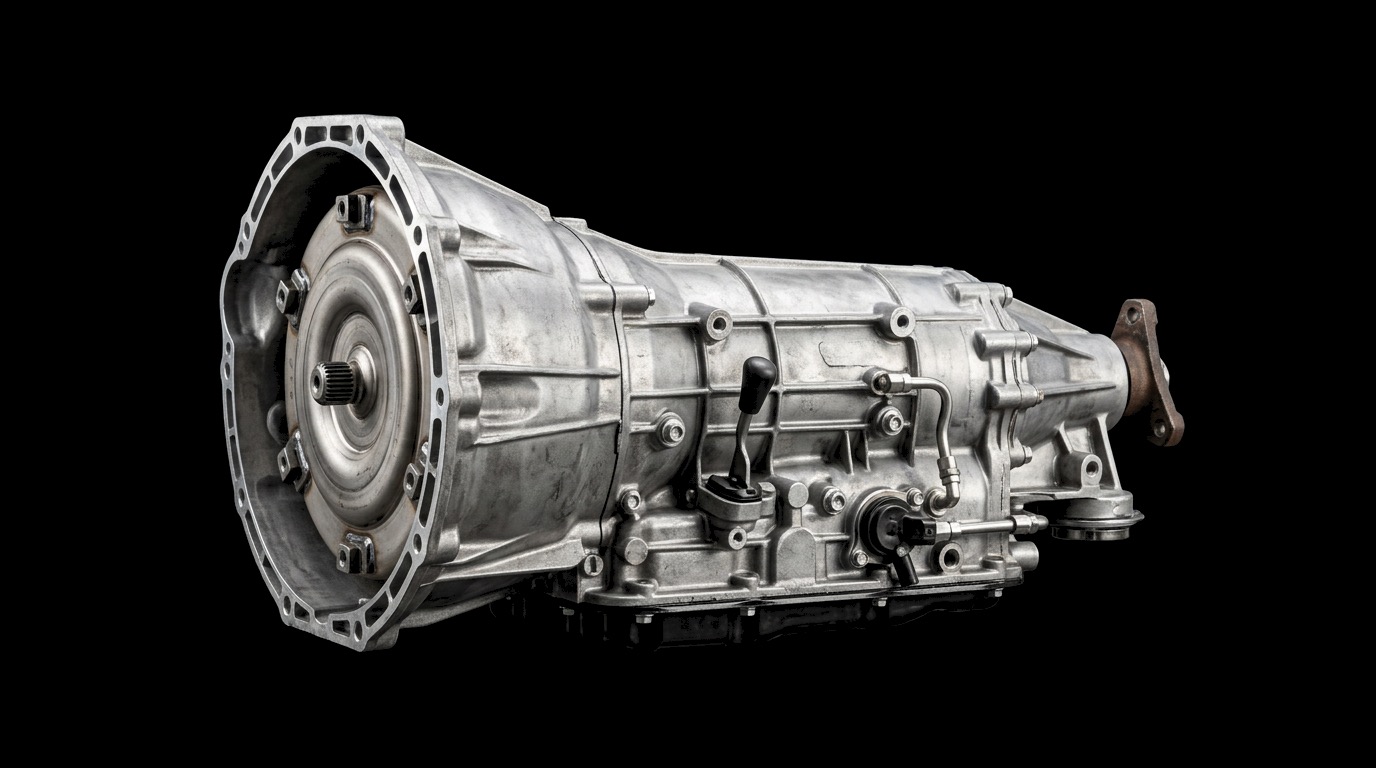
Is it actually your transmission?
Already own a car and worried about the transmission? Take the 90-second quiz first.
Take the quiz →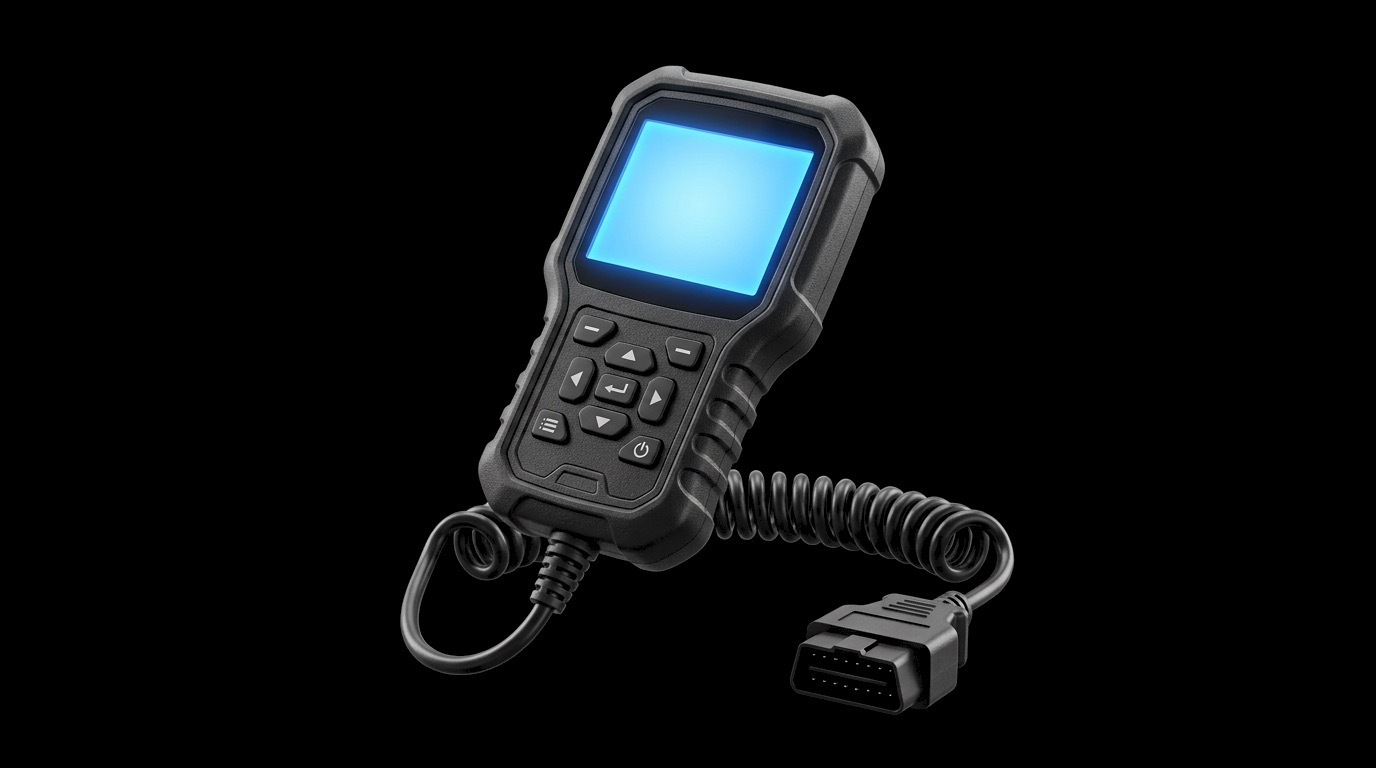
Get a real pre-purchase inspection
Want us to inspect a car you're looking at? Bring it by — 5515 Washington St, Denver.
Get directions →Bring the car you're looking at by the shop.
We'll put it on the lift and tell you straight whether it's worth buying. No pressure, no upsell. Family-owned in Denver since 1970, three generations deep.